
- Home
- About
- Scheduled Photo Tours
- Daily Photo Tours
- PHOTOGRAPHY BLOGS
- Contact

Vietnam is home to 54 ethnic groups, each with its own traditions, clothing, and deep connection to the land. For photographers, documenting Vietnam’s tribes means more than capturing faces — it’s about telling stories of resilience, beauty, and daily life.
This guide, curated from years of experience by Momentlives Vietnam Photo Tours, highlights 10 exceptional destinations for photographing Vietnam’s diverse ethnic communities — where landscape and culture meet in unforgettable light.
Perched in Lào Cai Province, Sapa is Vietnam’s most iconic mountain region. Beyond the bustling town, the valleys remain timeless — home to the H’Mông, Red Dao, Tay, Giay, and Xa Pho peoples.
Sapa rewards those who rise early. At sunrise, mist drifts across terraced hillsides, creating diffused, cinematic light ideal for landscape photography. As the day unfolds, capture portraits and cultural scenes: women dyeing indigo, weaving hemp, or embroidering vivid Red Dao patterns.
The interplay of texture and atmosphere — wooden homes, terraced fields, and shifting fog — offers endless possibilities for composition.
 2. Y Ty — A Dream Above the Clouds
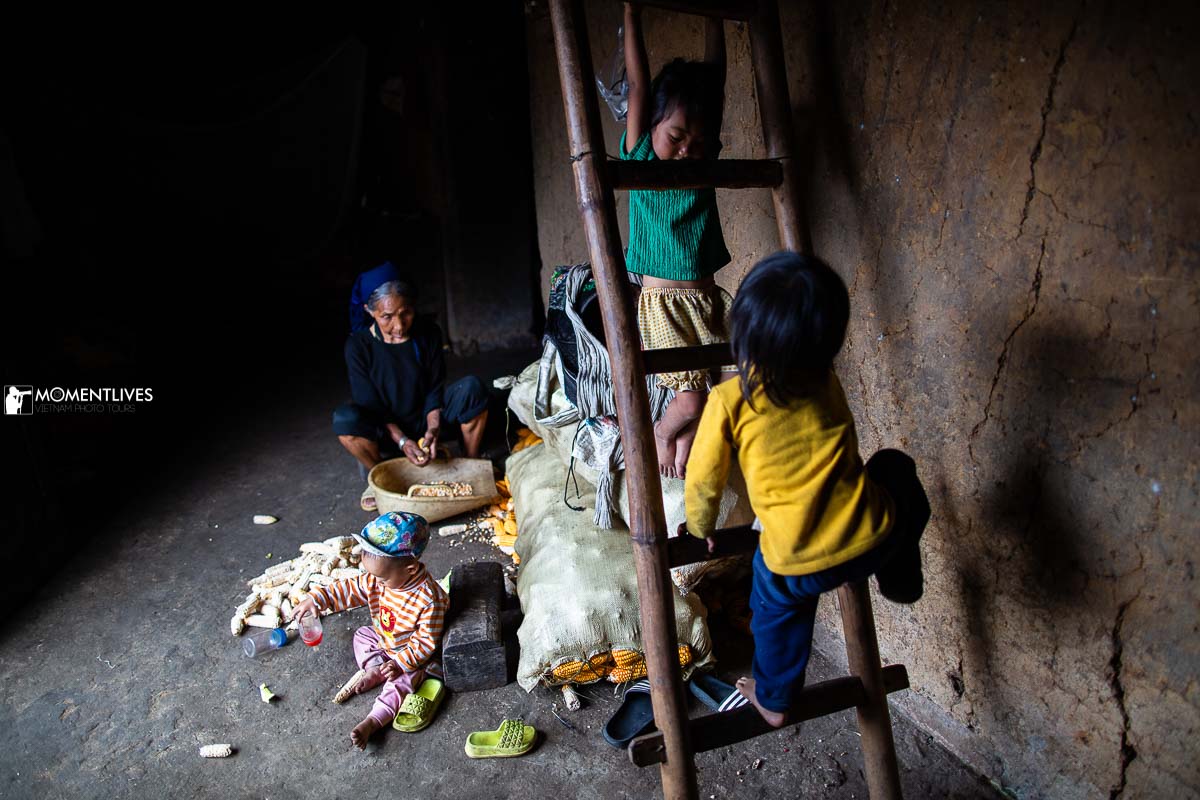
Just 70 km from Sapa, Y Ty feels like another world. At over 2,000 meters, the valleys fill each morning with a sea of clouds, leaving only peaks and rooftops visible — a breathtaking sight for travel photographers.
The Ha Nhi Den people live here, known for their rammed-earth houses covered in moss and their subtle, dark clothing adorned with silver. Photograph quiet moments — women sewing outdoors, farmers silhouetted on ridges, or the soft light breaking through clouds.
Y Ty rewards patience. Its light shifts quickly, and the most powerful images often come when you pause, observe, and wait.
Bac Ha, not far from Sapa, is best known for its Sunday market — a photographer’s dream of color, texture, and movement. Fourteen minority groups live here, including the H’Mông, Dao, Tay, Nung, Phu La, and La Chi.
Through the lens, the market comes alive: women in intricate costumes, children wrapped in bright fabrics, and faces animated by trade and laughter. For documentary photographers, it’s a feast of candid moments.
Step into nearby villages afterward to capture quieter agricultural life — tea-picking, rice harvesting, and families at work in terraced fields.
Hoang Su Phi is less visited than Sapa but just as stunning. Its layered rice terraces roll endlessly across the mountains, while villages of Nung, Dao, and H’Mông people preserve their customs in harmony with the land.
Photograph Dao women embroidering by window light or tea-pickers working on misty slopes. Wide shots reveal grand landscapes; close-ups show craftsmanship and connection.
In Hoang Su Phi, light and life move slowly — ideal for thoughtful, immersive photography.
 5. Dong Van Karst Plateau — Beauty on the Edge of Stone
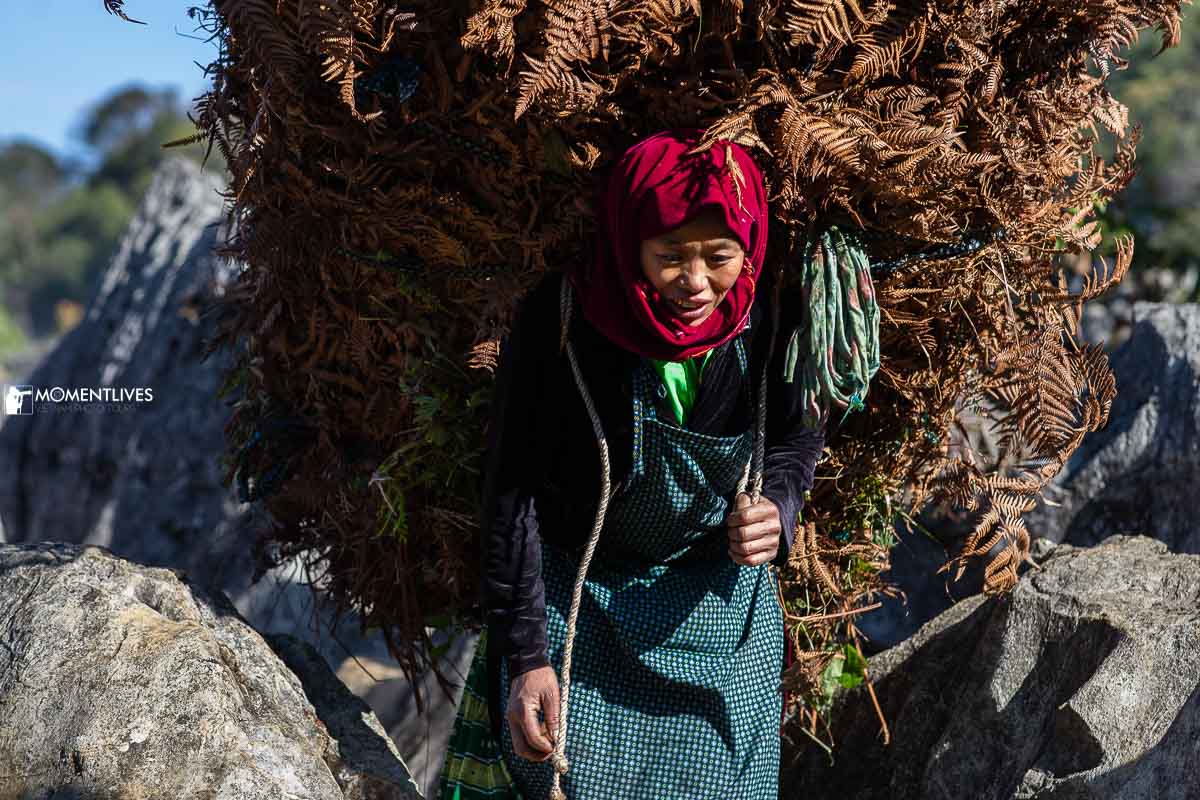
The Dong Van Karst Plateau, a UNESCO Global Geopark, is one of Vietnam’s most dramatic landscapes — sharp limestone peaks, rocky plateaus, and resilient mountain life.
Home to 17 ethnic groups, mainly H’Mông, this region invites photographers to explore contrast and endurance: corn growing between stones, families building with bare rock, and colorful markets set against gray cliffs.
The vibrancy of traditional clothing against the stone-gray terrain creates striking color contrast compositions and powerful environmental portraits.
West of Hanoi, Mu Cang Chai is world-renowned for its sculpted rice terraces. During harvest (September–October), the hills turn gold, offering breathtaking views for landscape and drone photography.
Around 90% of locals here are H’Mông, whose lives follow the rhythm of the land. Capture them harvesting rice, working in fields, or creating traditional indigo-dyed batik patterns.
From above or at ground level, Mu Cang Chai’s lines, curves, and tones create natural harmony — perfect for composition and geometry studies.
Only 140 km from Hanoi, Pu Luong feels delightfully untouched. The Thai and Muong communities here live in stilt houses beside rivers and terraced valleys.
This is a place for slow photography — observing rather than chasing moments. Capture daily rhythms: weaving, farming, or the interplay of light on bamboo and water.
The morning mist, soft reflections, and warm smiles make Pu Luong perfect for environmental portraits and fine-art storytelling.
 8. Cao Bang — Waterfalls and Craft Traditions
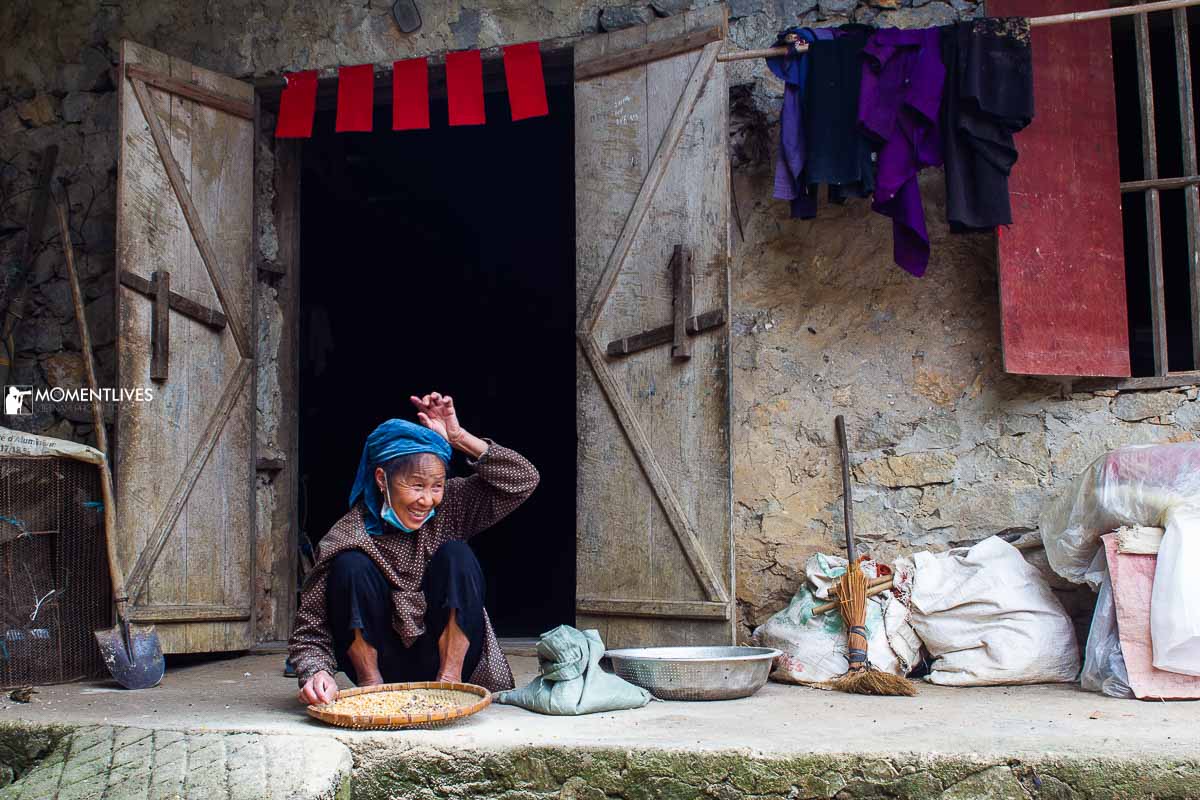
Cao Bang is where grand scenery meets cultural depth. The mighty Ban Gioc Waterfall, misty valleys, and layered limestone mountains form natural backdrops for powerful compositions.
The Tay and Nung people here maintain craft traditions like incense-making and blacksmithing. Photograph glowing workshops, rhythmic hand movements, and sparks of creativity against afternoon light.
Each image in Cao Bang balances motion and stillness, nature and craft — ideal for documentary or lifestyle photography.
In stark contrast to the northern highlands, Ninh Thuan offers vast dry plains, golden dunes, and herds of sheep drifting across the landscape.
The Cham people here preserve an extraordinary artistic heritage — from pottery and weaving to music and architecture. Festivals at ancient towers burst with color and spiritual energy.
Photographers can explore minimalist compositions among sand and sky or vivid cultural portraits during Cham ceremonies.
Sunset light and desert shadows create a perfect canvas for fine-art travel photography.
In Kon Tum and across the Central Highlands, tribal life remains vibrant and deeply spiritual. The Bahnar and Jarai people live among forested hills, their towering Rong houses rising like wooden cathedrals.
Photograph evening gong performances, where rhythm, movement, and emotion merge — sound made visible. Inside homes, women weave brocade by firelight, creating warm, intimate scenes for low-light portraiture.
Here, every click of the shutter captures both tradition and spirit — the essence of Vietnam travel photography.
For over 15 years, Momentlives Vietnam Photo Tours has guided photographers through Vietnam’s most authentic cultural landscapes.
Our tours are built on trust and respect, developed through long-term relationships with local communities. Whether you’re drawn to portraiture, landscape, or storytelling, our guides help you master light, connection, and timing — so each image feels alive.
Join a Momentlives Photo Tour in Vietnam and see beyond the surface — photograph not just what Vietnam looks like, but what it feels like.